What BHB Salts Actually Do
Beta-hydroxybutyrate shows up on a lot of labels these days, usually attached to claims about energy or metabolism. Here's what it actually is, separate from any single product's marketing.
Where BHB Comes From, Naturally
Your body produces BHB on its own, primarily when carbohydrate intake drops low enough (through fasting or a ketogenic-style diet) that fat becomes the dominant fuel source. This is the same compound measured when someone checks their "ketone levels."
Why Supplements Use Mineral Salt Forms
Free BHB isn't practical to package as a stable capsule ingredient on its own, so supplement makers bond it to a mineral — commonly sodium, potassium, calcium, or magnesium — creating a salt that's more stable and easier to formulate.
What The Research Generally Covers
Most published research on BHB salts centers on ketosis-adjacent topics: exercise performance under low-carbohydrate conditions, appetite signaling, and short-term energy availability when the body isn't in a fasted or fat-adapted state. Blood-sugar regulation specifically is a less common research focus for this compound.
Where The Evidence Gets Thinner
Research on BHB salts often uses doses considerably higher than what shows up in many commercial blends, and it typically studies BHB as a standalone supplement rather than combined with two other salts at an undisclosed ratio.
Applying This More Broadly
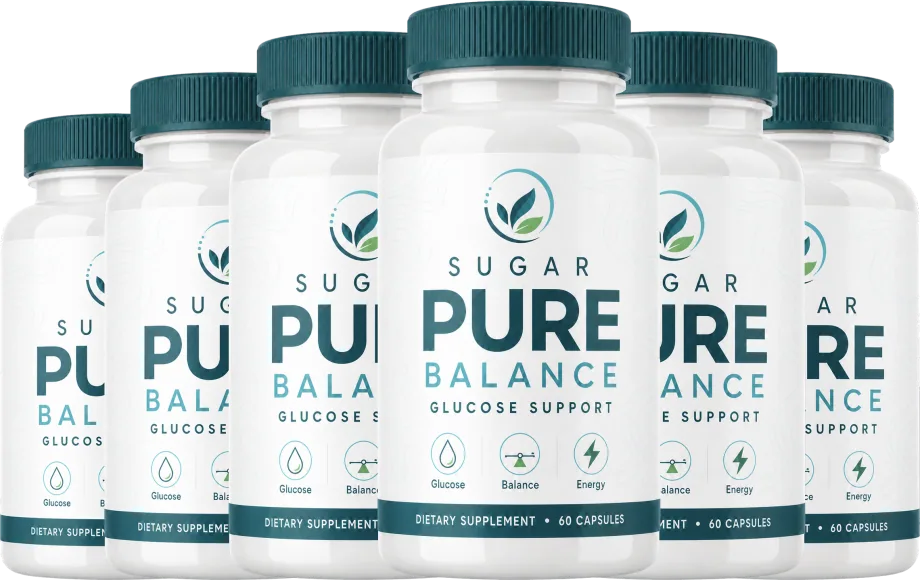
If you're looking at a product marketing BHB salts for a purpose outside ketosis or energy — glucose balance, for instance — it's worth asking whether that specific claim has research behind it, or whether it's an extension of BHB's more established use case. See our full ingredient breakdown for how this applies to one specific formula.
Written for general background, not medical advice. This site earns a commission on purchases through links to the official store — see our about page.