Reading A Proprietary Blend Label
A total milligram number on a supplement label tells you less than it appears to, once more than one active ingredient shares that total.
What A Proprietary Blend Discloses
A blend label typically lists a combined weight (say, "60mg Proprietary Blend") followed by the ingredients inside it, usually ordered by weight from most to least. That much is real information — you know the overall dose and roughly which ingredient contributes most.
What It Doesn't Disclose
The exact milligram amount of any single ingredient inside that blend, unless the label separately breaks one out. If a formula's benefit rests heavily on one specific compound, and that compound happens to be a small fraction of the total, the practical effect could look quite different than if it made up most of the blend.
Why This Is Legal, And Common
US supplement law generally allows manufacturers to protect their specific formula ratios this way. It's not unique to any one product or category, and it isn't automatically a sign of a low-quality formula.
What You Can Reasonably Check Yourself
- Whether every ingredient in the blend is named specifically, rather than hidden behind a vague "energy complex" label.
- Whether the total dose is disclosed at all (some products skip even that).
- Whether any single ingredient is broken out separately, which can tell you something about the relative size of the rest.
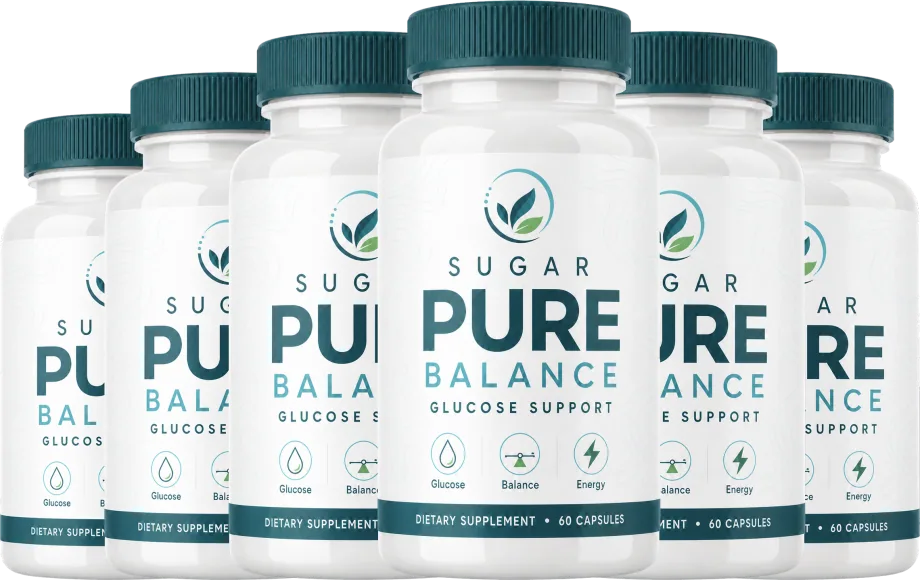
Where This Applies To Sugar Pure Balance
All three BHB salts are named individually, and the 60mg total is disclosed. The per-salt split is not. That's a middle position on the transparency spectrum — more disclosed than a vague blend, less disclosed than a full per-ingredient breakdown would be. Full detail on our ingredients page.
Written for general background, not medical advice. This site earns a commission on purchases through links to the official store — see our about page.